Shio Koji Recipe
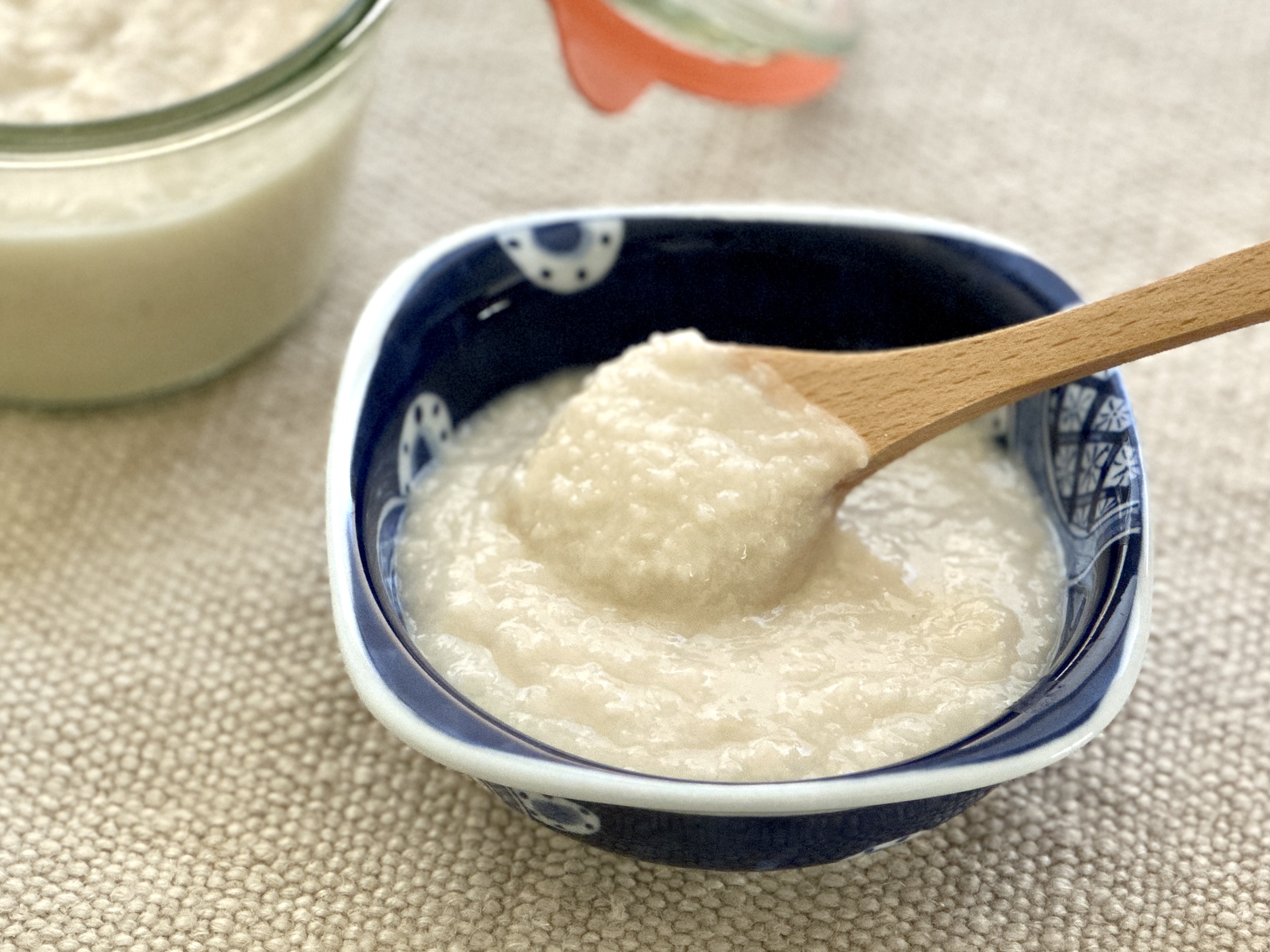
Shio Koji (塩麹) is a traditional Japanese fermented condiment made by combining rice Koji, salt, and water, then allowing the mixture to ferment and mature. The enzymes produced by Koji mold work to draw out the umami, sweetness, and tenderness of ingredients. Then it’s used in various cooking from marinating fish and meat to seasoning dishes.
What’s Koji?
Koji most commonly refers to steamed rice, barley, or soybeans that have been inoculated with a special mold and cultured under carefully controlled temperature and humidity. The word Koji can refer both to the cultured grain itself and to the mold responsible for the fermentation.
Koji is believed to have been introduced to Japan from China and the Korean peninsula sometime during the Yayoi period (300 BC–300 AD). One of the earliest written references to koji in Japan appears in a regional chronicle from around 715 AD, describing moldy steamed rice used for brewing sake. This is widely considered the oldest recorded account of Koji being used in Japan.
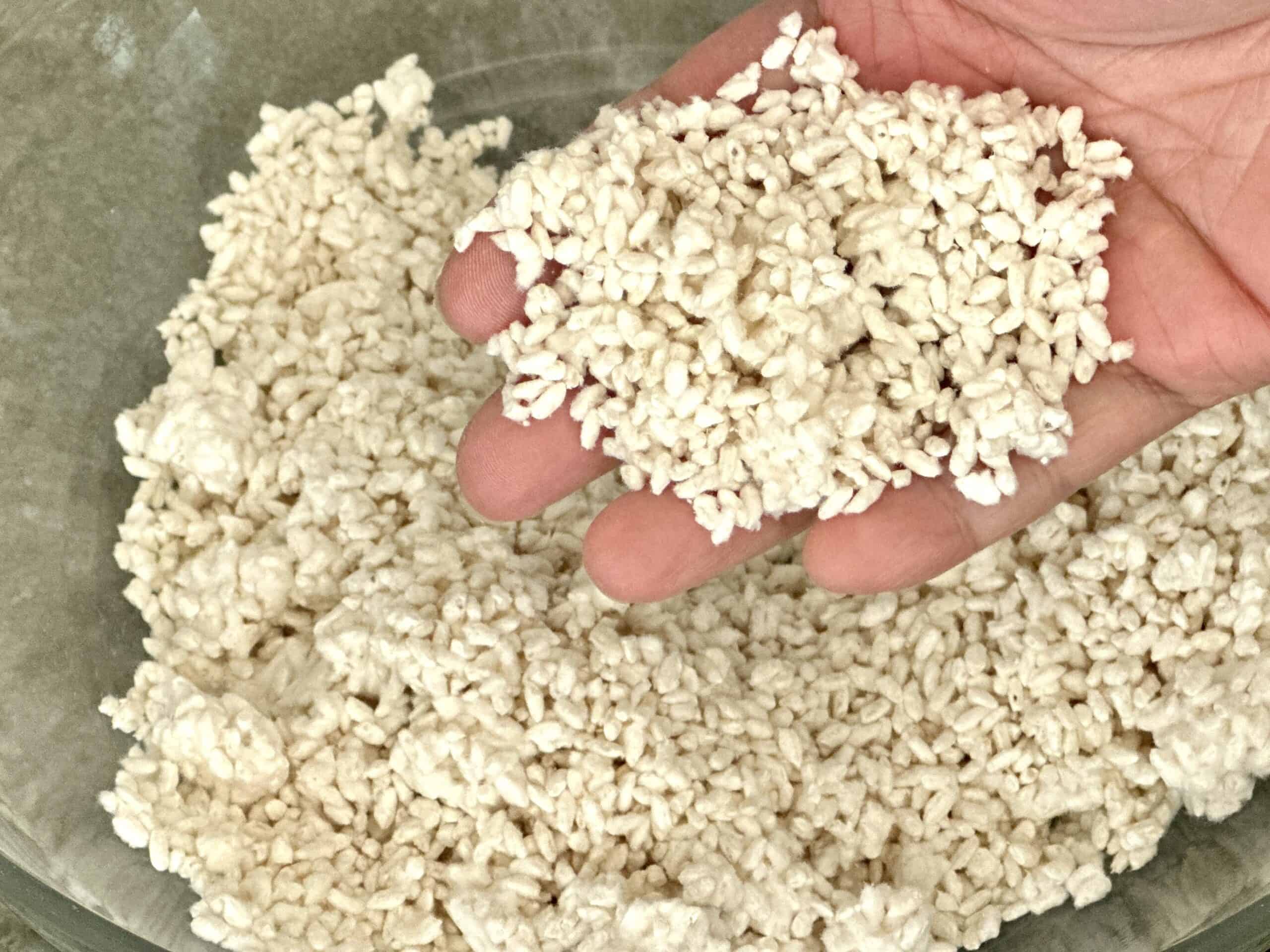
Koji is often described as the invisible backbone of Japanese cuisine. Without it, there would be no sake, miso paste, soy sauce, mirin, or rice vinegar—essential ingredients that shape the flavor of Washoku, traditional Japanese cooking.
In many ways, Koji is one of the most consequential discoveries in the history of food. This tiny Koji mold possesses a remarkable ability to transform simple grains or legumes into deeply complex, flavorful ingredients — forming the invisible foundation of Japanese culinary tradition, and quietly shaping fermentation cultures across East and Southeast Asia for thousands of years.
How Shio Koji is used in Japanese Cooking?
Shio Koji’s taste cannot be reduced to simple saltiness. It is a layered, multidimensional condiment built from several overlapping flavor elements working in harmony. At its base is a gentle, rounded saltiness — present but never sharp or harsh in the way that plain salt can be. Beneath that is a natural sweetness, produced as the Koji’s amylase enzymes break down starches into simple sugars. Most significantly, Shio Koji carries a profound umami — a deep, lingering savoriness that emerges as the Koji slowly breaks down the natural proteins in food, unlocking a richness that was always there, waiting to be released. There is also a subtle fermentation note: a mild, almost imperceptible acidity from lactic acid fermentation, layered with the warm, faintly floral aroma characteristic of rice Koji itself. The overall effect is a seasoning with genuine depth and a lingering finish — one that makes food taste more fully like itself.
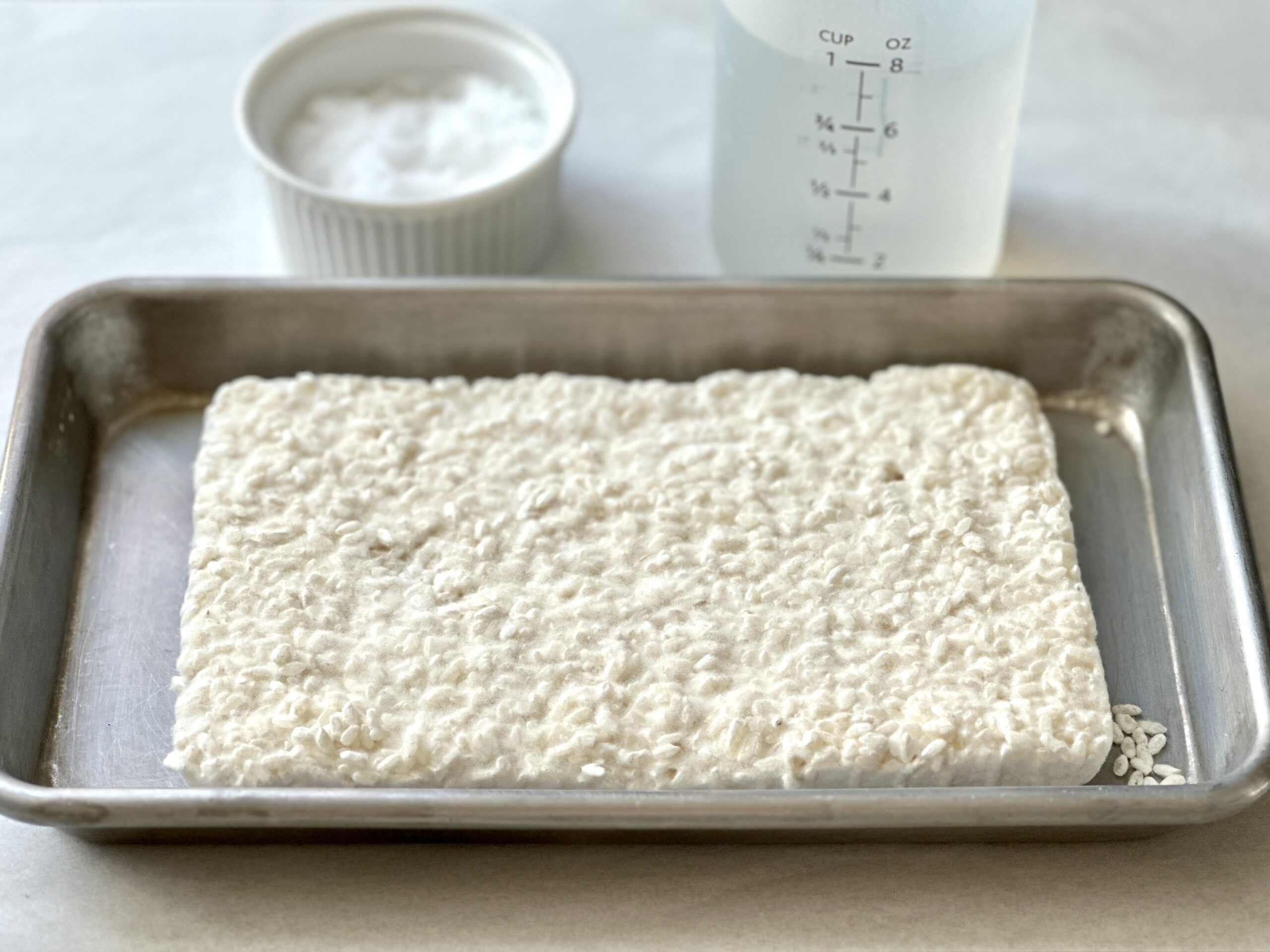
The use of Koji itself is extremely ancient, and the practice of combining salt with Koji — the essence of Shio Koji — is believed to have been widespread across various regions since antiquity. For thousands of years, it quietly underpinned the flavors of everyday Japanese cooking, largely unnoticed outside the kitchen.
Then, in the early 2010s, everything changed. Japan experienced an unprecedented Shio Koji boom. It was featured heavily in television programs and magazines as a “miracle seasoning,” becoming so popular that supermarket shelves were frequently sold out. The timing could not have been better. Shio koji rode the wave of a fermentation renaissance already well underway — a growing fascination with kimchi, kombucha, kefir, and sourdough that had primed home cooks and professional chefs alike to embrace the idea that time, salt, and microbial life could transform humble ingredients into something extraordinary.
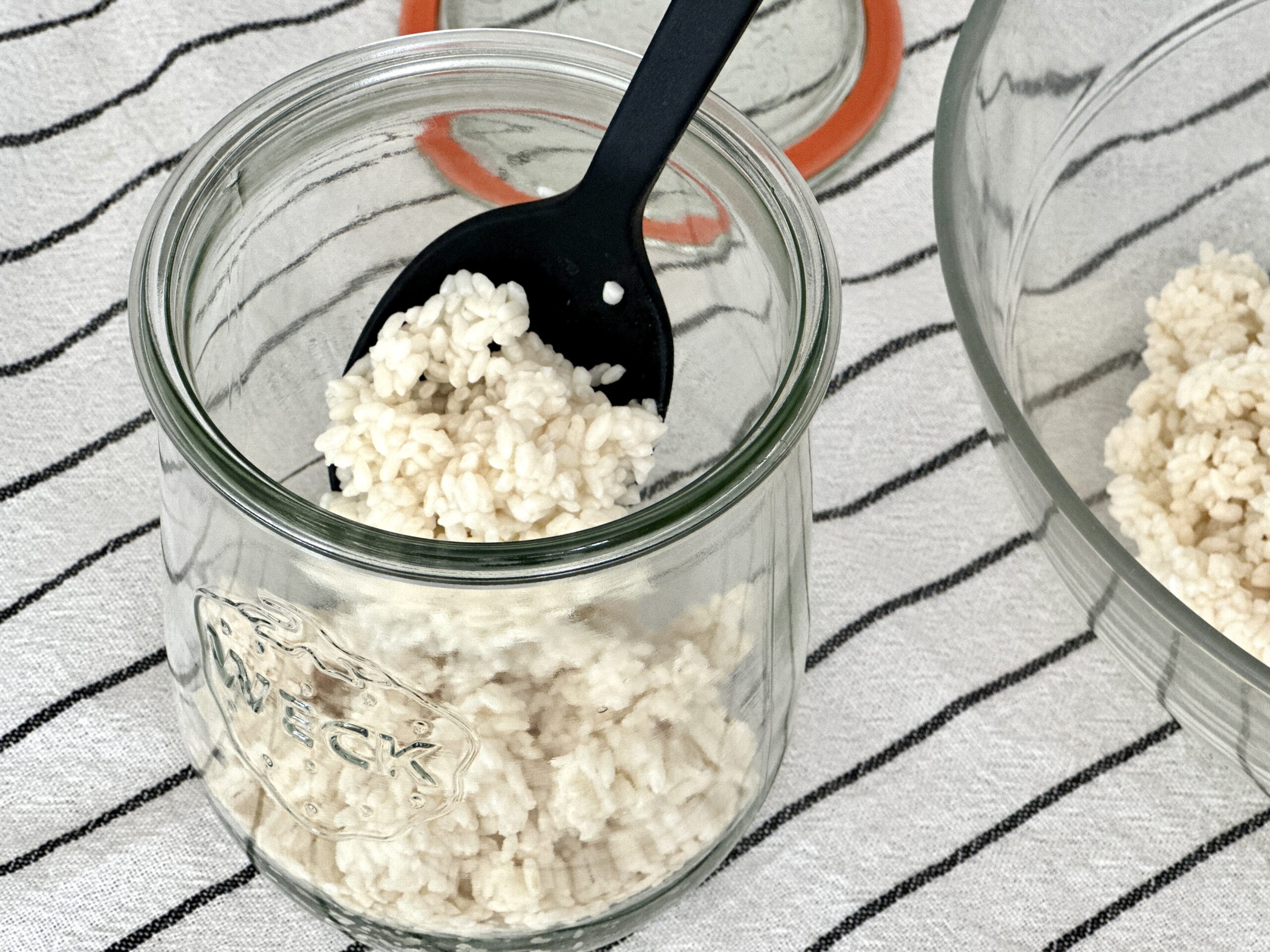
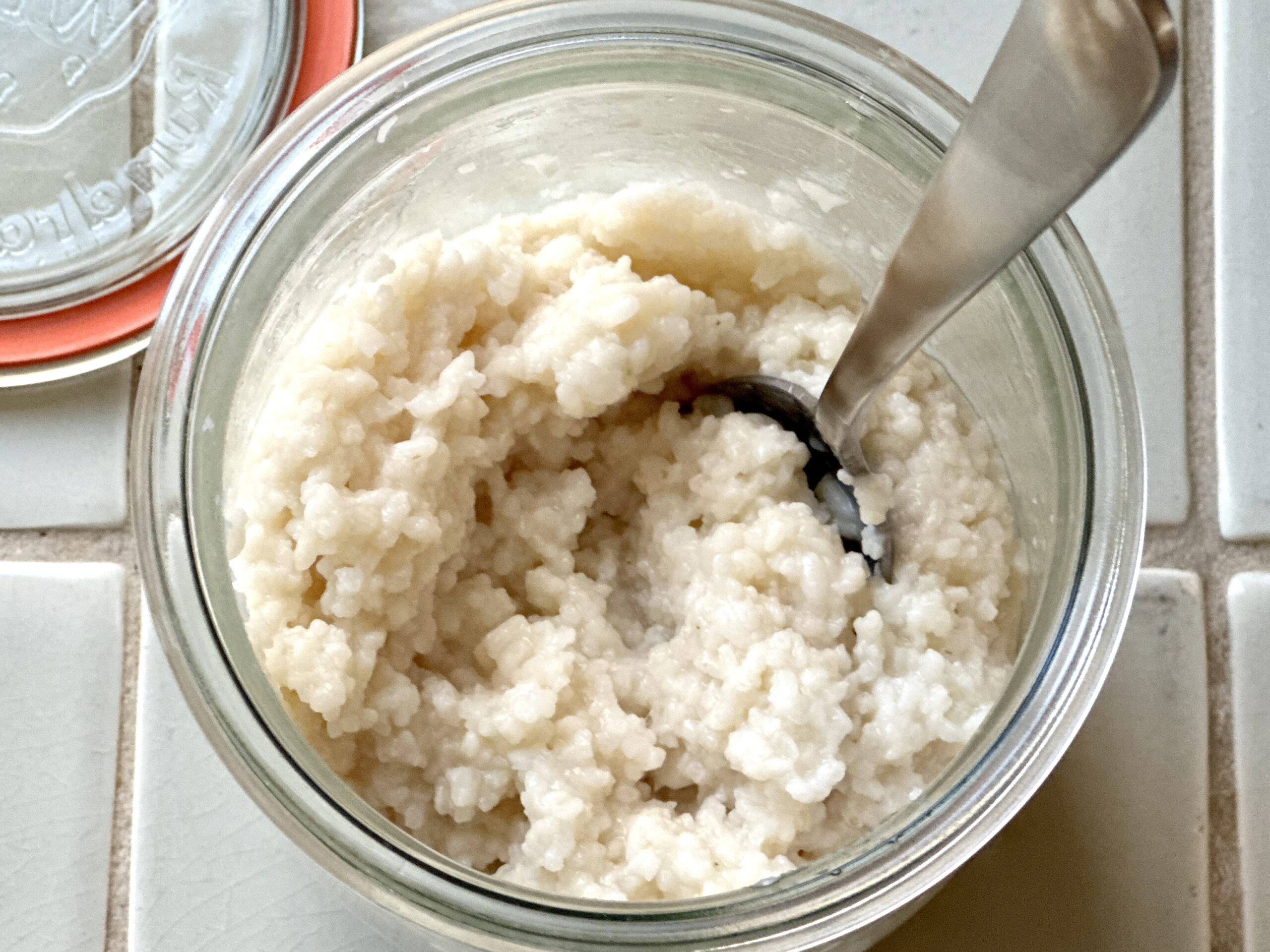
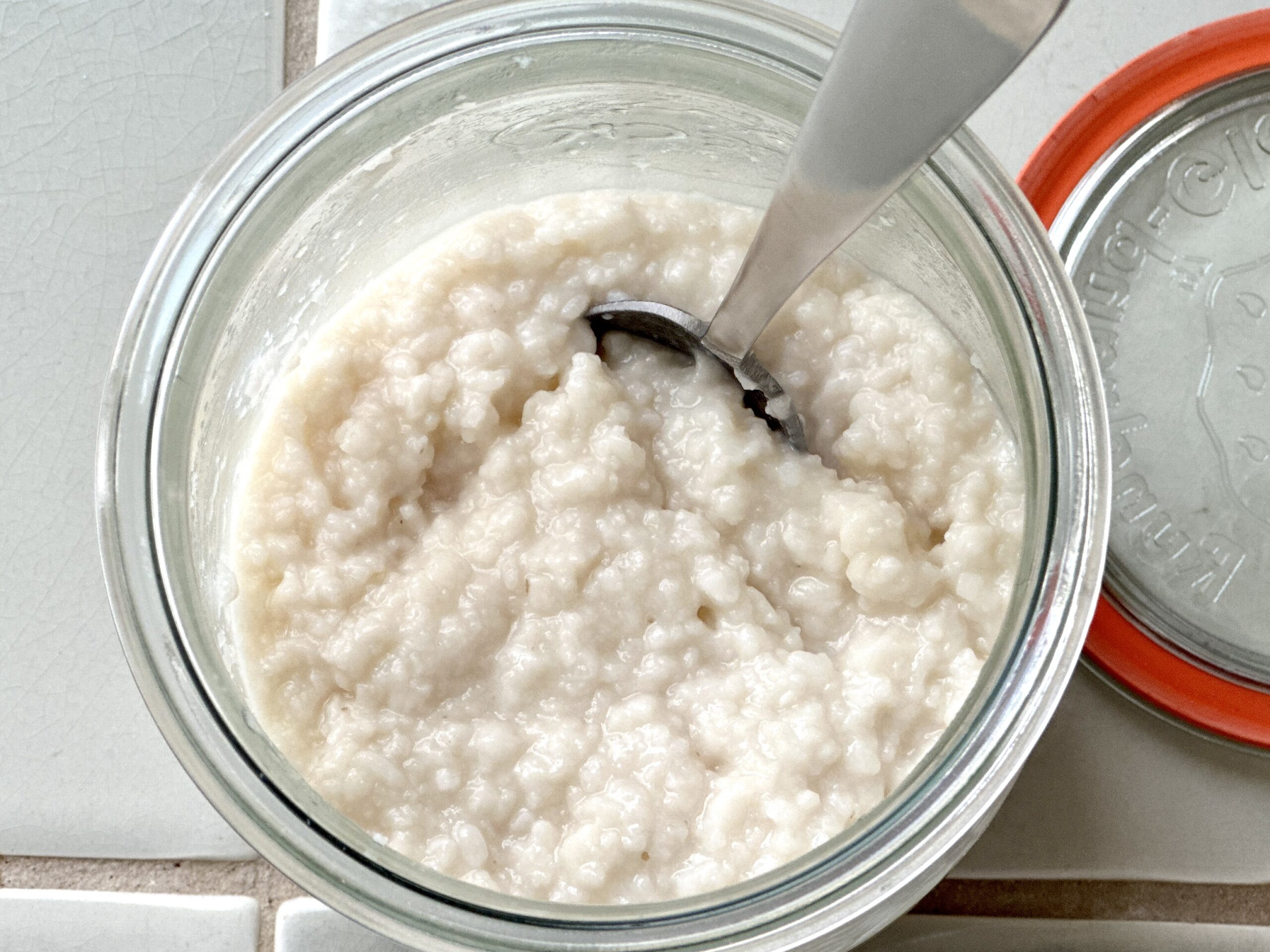
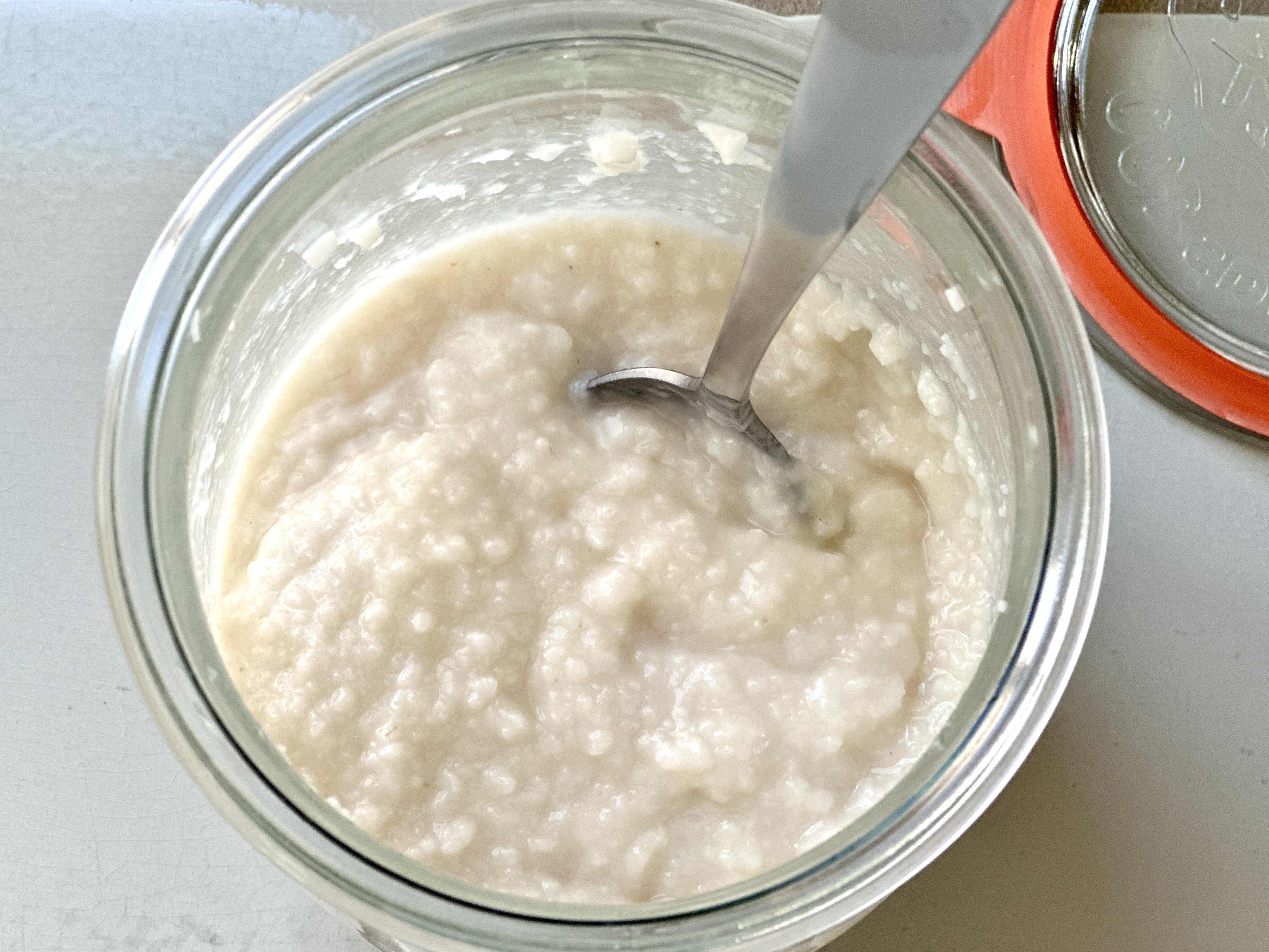
Today, ready-to-use shio koji is easily found at supermarkets across Japan — but it is also quite simple to make at home. It takes about a week, though don’t let that put you off. All you need to do is give it a quick stir once a day, leave it out at room temperature to ferment, and that’s it. Once ready, it keeps in the fridge for a couple of months, ready to use whenever you need it. When making Shio Koji, it’s recommended to sanitize the container and any utensils beforehand with boiling water or alcohol. Keeping your tools clean helps prevent unwanted bacteria and allows the fermentation to proceed smoothly and safely.
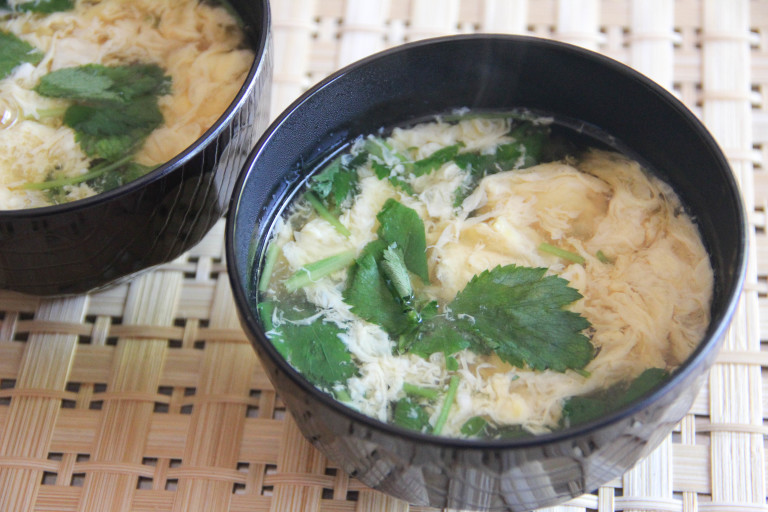
Instead of reaching for soy sauce or salt, try adding Shio Koji to your favorite dishes as a seasoning — stir-fried vegetables like Yasai Itame, soups, or really anything that could use a little depth. It works beautifully as a marinade for fish and meat too, where it does double duty: seasoning the ingredient while also tenderizing it from within.