

Pork Shogayaki (豚の生姜焼き) is a popular Japanese dish of thinly sliced pork pan-fried in a flavorful ginger soy sauce. It’s one of the most popular everyday meals in Japan, often served as a lunch or dinner entrée both at home and in restaurants. The combination of spicy ginger (shoga) and savory soy sauce, balanced with a hint of sweetness from mirin, makes this dish incredibly appetizing. It’s not as sweet as a typical teriyaki sauce, but the fresh kick of ginger gives it a bright, zesty flavor that pairs perfectly with a bowl of steamed rice. This delicious ginger sauce has a way of waking up your appetite—you might find yourself reaching for a second serving of rice before you know it!

What’s Pork Shogayaki?
Pork Shogayaki, or ginger pork, is a classic Japanese dish made with tender slices of pork cooked in a savory ginger-soy sauce. The word shogayaki literally means “grilled with ginger,” and this cooking style or flavoring can also be used with other meats like beef or chicken. Still, pork is by far the most common and beloved version. You’ll find it served everywhere in Japan—from cozy local diners to popular chain restaurants—especially at lunchtime. It’s quick, flavorful, and deeply satisfying, making it a perfect everyday meal.
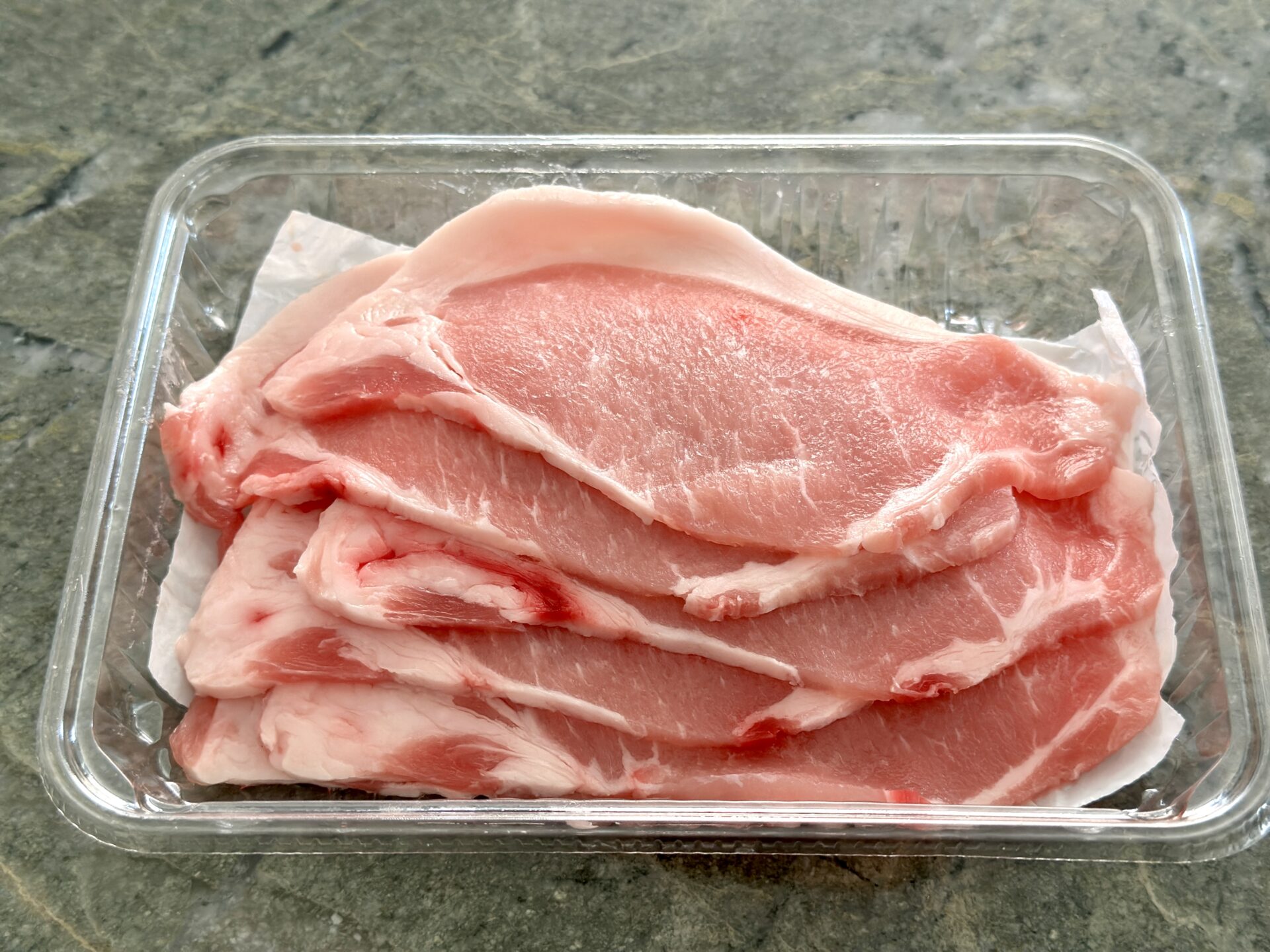
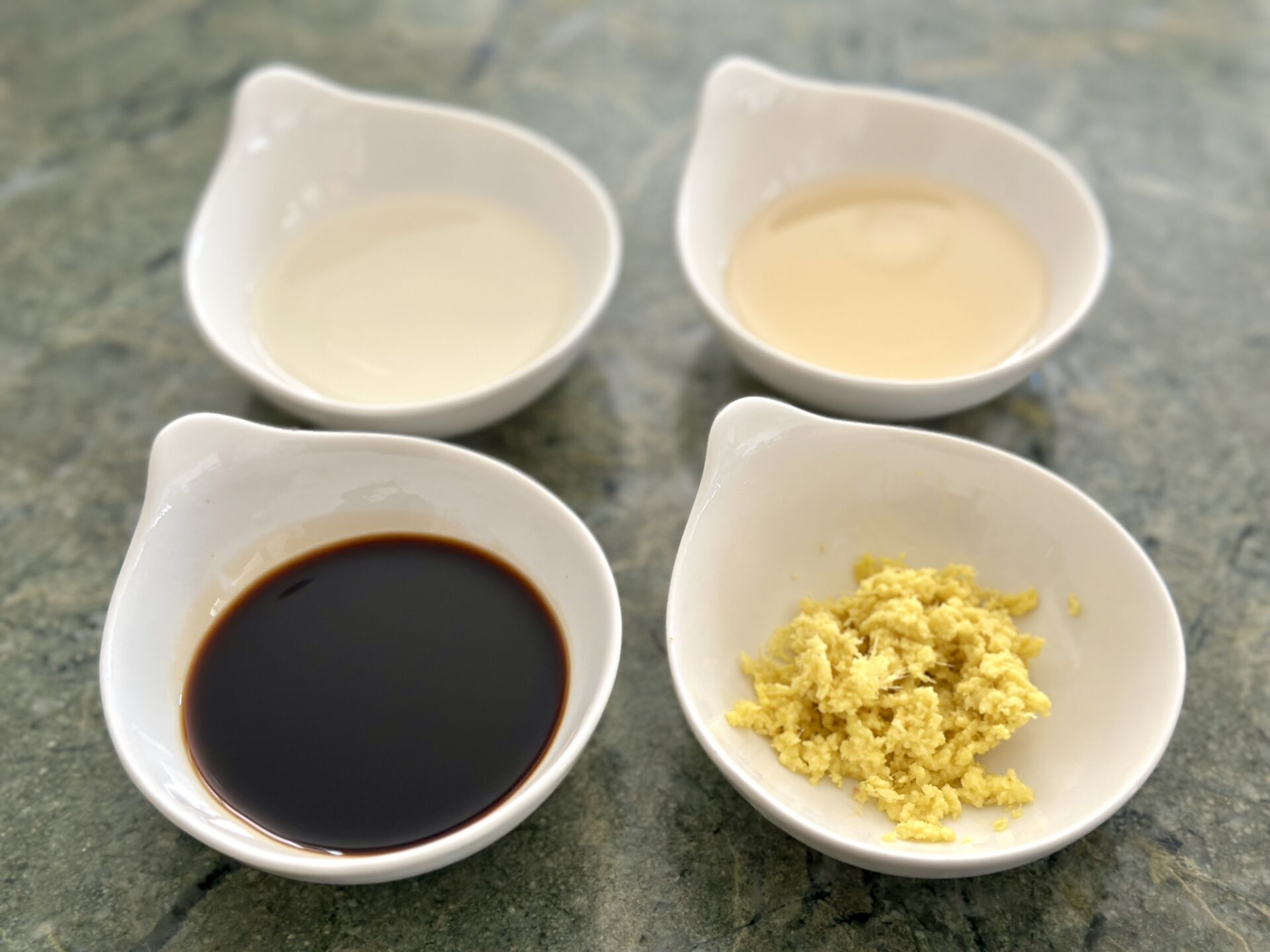
One of the best things about Pork Shogayaki is how simple it is to make at home. You only need a few basic ingredients that are easy to find: soy sauce, sake, mirin, and freshly grated ginger. The key ingredient is thinly sliced pork, which you might not always find pre-cut at your local market. If that’s the case, you can ask your butcher to slice it thinly, or buy a pork loin, half-freeze it, and slice it yourself with a sharp knife. The slices don’t have to be paper-thin—about 1/8 to 1/5 inch (2–3 mm) works well. In our recipe, we use slightly thicker slices for a more satisfying bite, but thinner slices cook quickly and stay nice and tender. You can also add some thinly sliced onions while cooking for a touch of sweetness.
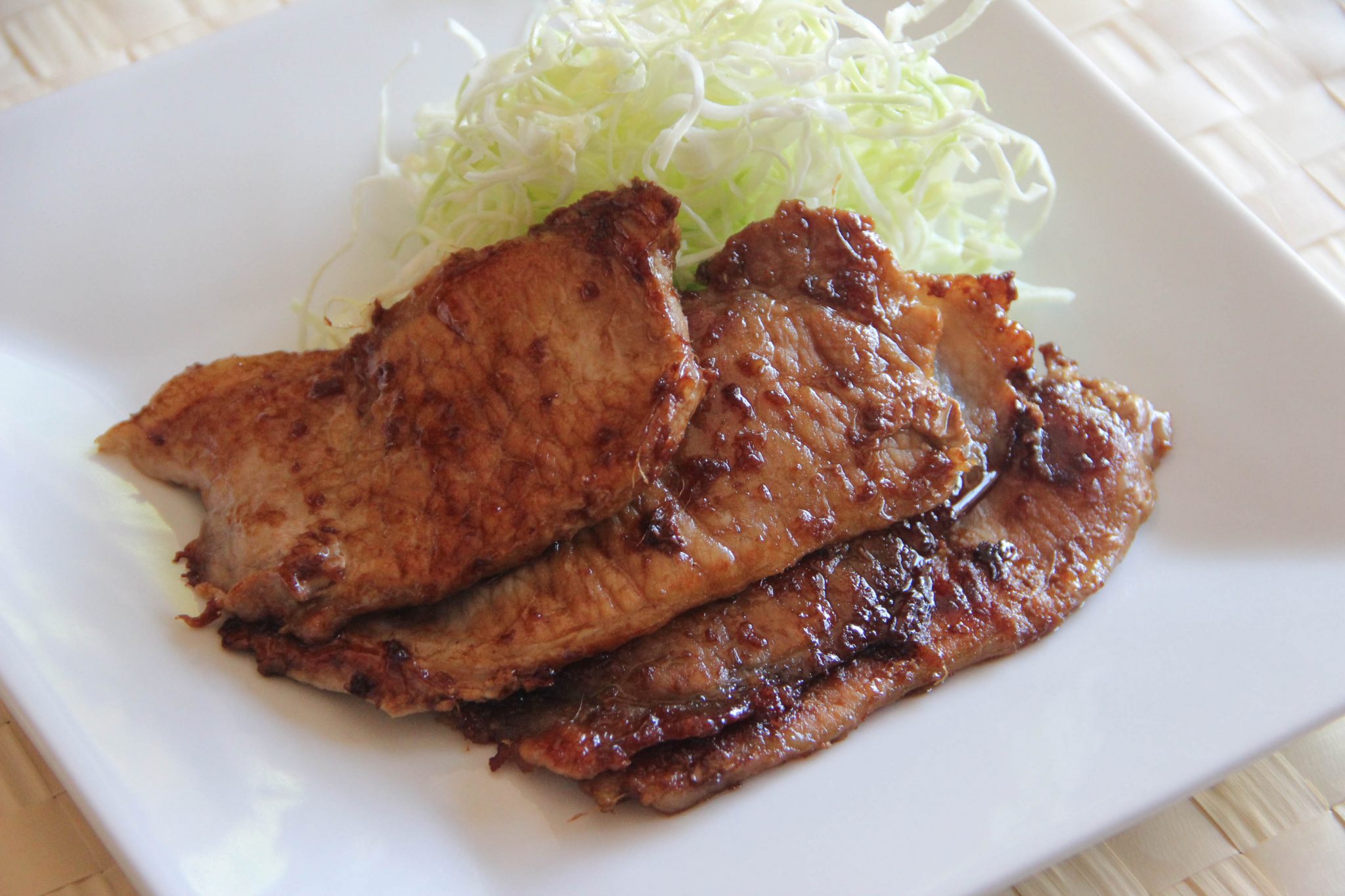
Pork Shogayaki is traditionally served with a generous mound of shredded cabbage on the side. The extra ginger sauce naturally seeps under the cabbage, acting as a delicious dressing for the salad. Some people even drizzle the leftover sauce over steamed rice—it’s just that good!
Tips and substitutions for Pork Shogayaki
- Adjusting the ginger sauce – If you love the punch of ginger, don’t hesitate to add more! For a sweeter flavor, increase the amount of mirin (Japanese sweet rice wine). You can also add a touch of sugar or honey, but do so gradually so the sauce doesn’t become overly sweet.
- Adding vegetables – If you’d like to include some vegetables, sliced brown onions, green onions, or green beans work beautifully. Just be careful not to overload the pan with too many veggies—this is, after all, a pork dish, and the pork should remain the star of the show.
- The best side dish – Freshly shredded cabbage is the classic accompaniment for Pork Shogayaki. It refreshes your palate and balances the rich, savory pork flavors. Use a mandolin or slicer for fine, delicate shreds, or cut by hand for a slightly thicker, crunchier texture. If raw cabbage tastes too strong for you, soak the sliced cabbage in cold water for about 10 minutes, then drain well. This will mellow the flavor and give it a crisp, refreshing bite.
More recipes like Pork Shogayaki
Video
Instructions
- Grate ginger root. In a bowl mix ginger, soy sauce, Sake, and Mirin. Set aside.
- If you are using a pork loin chunk, slice into 1/16″ (2mm) thickness.
- Heat a frying pan at medium high heat and add oil, then add sliced pork to pan-fry. Cook in a single layer on both sides until brown. Add the ginger sauce to the pan and cook for a minute to coat the meat with the sauce.
- Serve with shredded cabbage if you want.
This recipe was originally published in May 2014. The post was updated on October 30, 2025 with more useful content and new photos.


11 Comments
I just made this dish for myself and my mother and we both loved it. I served it over fresh sicky rice and poured the liquid over the rice once served.
Gabriel,
that sounds good!
It looks lovely! Can I ask how you chop your shredded cabbage so finely? I just can’t do it as finely as I had it in Japan!
David,
well, because I’m so good. Just kidding. I use a sharp slicer (mandolin).
I’m making this dish and a few of your others for bento boxes so that my boyfriend and I can have a picnic in the park tomorrow! I’ve also decided to make your green beans with sesame sauce, tamagoyaki and yaki onigiri for the bentos!
Konnbanwa Noriko-san my name is Penny l made shogoyaki tonight using your recipe for my husband who is japanese I hope he likes it.:)❤
Penny,
hope he likes it too!
What kind of Sake should I use? I have no experience with cooking with (or drinking) sake so I have no clue where to start.
Hi Sarah ^_^
When I bought sake for this dish I just picked up something I thought would taste delicious. Just pick a bottle and see how it turns out ; )
noriko may i change the pork with other meat?
Made this tonight and wow is it good. My husband and I are having a hard time not sneaking the leftovers out of the fridge (and there are only leftovers because 2 of my 3 family members ate dinner elsewhere tonight).