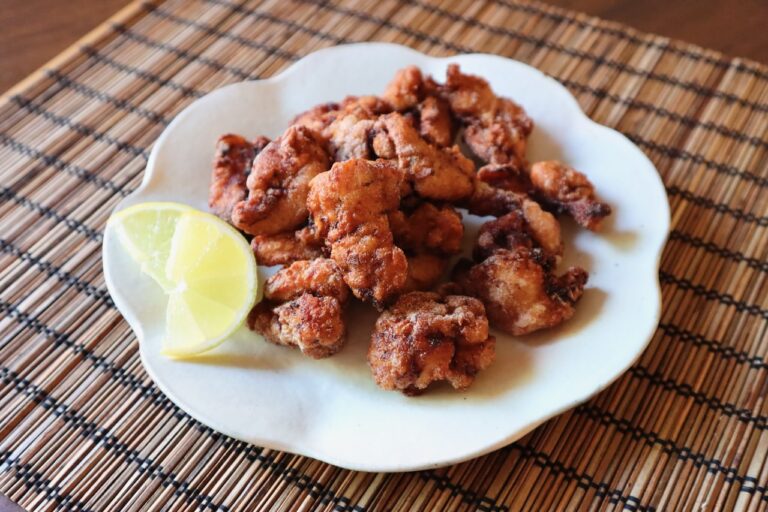
Mochiko Chicken is a Hawaiian-style deep-fried chicken that’s similar to Japanese karaage, but with its own uniquely addictive flavor and crunch. This local Hawaiian dish has been gaining popularity on the mainland U.S. and even in Japan, thanks to its crispy texture and savory-sweet seasoning.
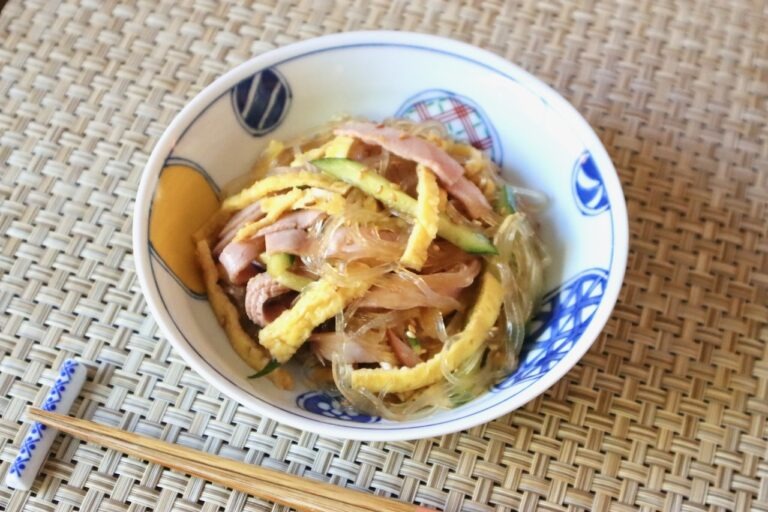
Harusame Salad is a salad with dried bean (or potato) threads called Harusame and vegetables. This cold and smooth textured noodle dish is a great side dish any time, but especially good during hot summer days. The dressing is flavored with sesame oil and it tastes like a Chinese style salad.
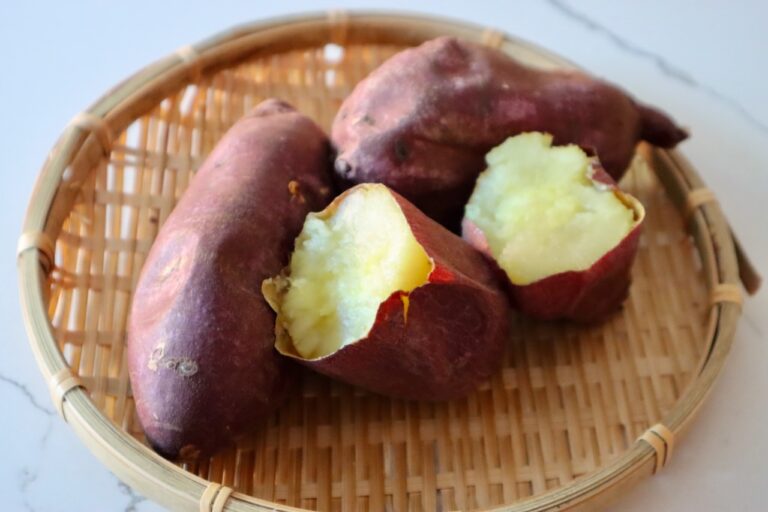
Yaki Imo (焼き芋) is a traditional Japanese baked sweet potato and a popular winter street food in Japan. Made with Japanese sweet potatoes (satsuma imo), Yaki Imo has purple skin and pale flesh that turns a bright golden yellow when baked. These potatoes are naturally very sweet—especially in winter—so no added sugar or seasoning is needed.
Yaki Imo is a simple, wholesome, and healthy Japanese snack that can be enjoyed by people of all ages.
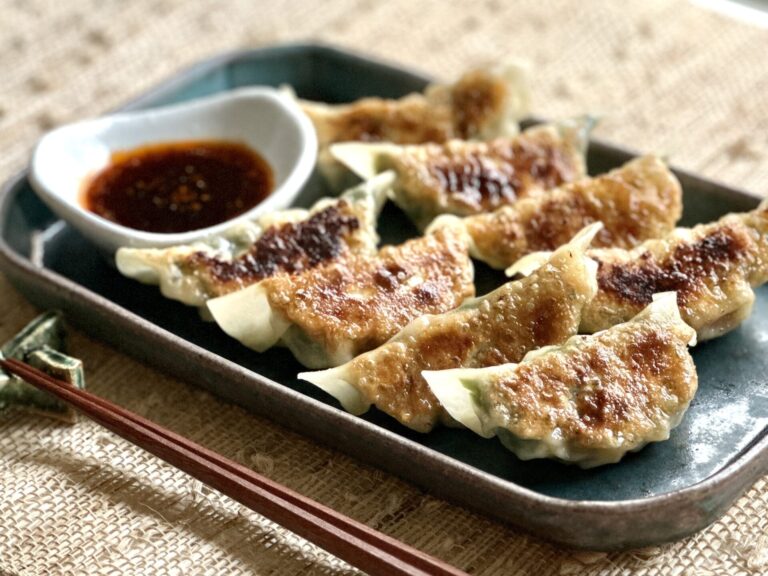
Shrimp Gyoza are Japanese dumplings filled with a flavorful mixture of shrimp and vegetables, wrapped in delicate gyoza wrappers, then pan-fried and steamed to perfection. Compared to classic pork gyoza, they have a lighter taste and a delightfully plump, bouncy texture. Dip them in a tangy sauce with a touch of chili oil for the perfect balance of flavors. They make a wonderful appetizer to enjoy with beer or your favorite drinks, and are just as satisfying served as a main dish for dinner.
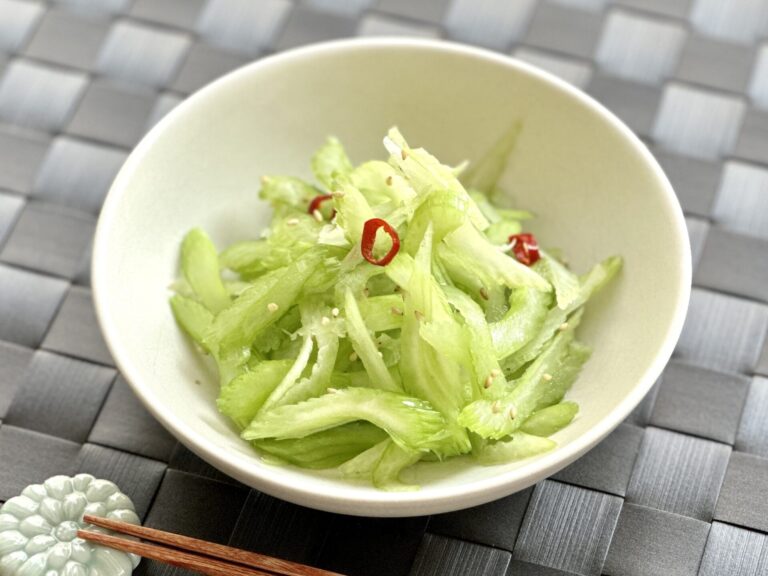
Celery Sunomono is a light and refreshing Japanese-style salad made with crisp celery tossed in a sweet and tangy vinegar dressing, then sprinkled with sesame seeds. While celery isn’t a traditional vegetable in Japanese cuisine, it works surprisingly well in Sunomono. Its fresh, herbal flavor pairs beautifully with the bright sweet-and-sour dressing, creating a clean and vibrant side dish that’s both simple and satisfying.
Curry udon is one of the most popular — and delicious — ways to use up leftover Japanese curry sauce. It’s certainly my favorite. In fact, I look forward to making curry udon every time I cook curry and rice.
It’s a little like the joy of eating a turkey sandwich the day after Thanksgiving here in America — some things just taste even better the next day!
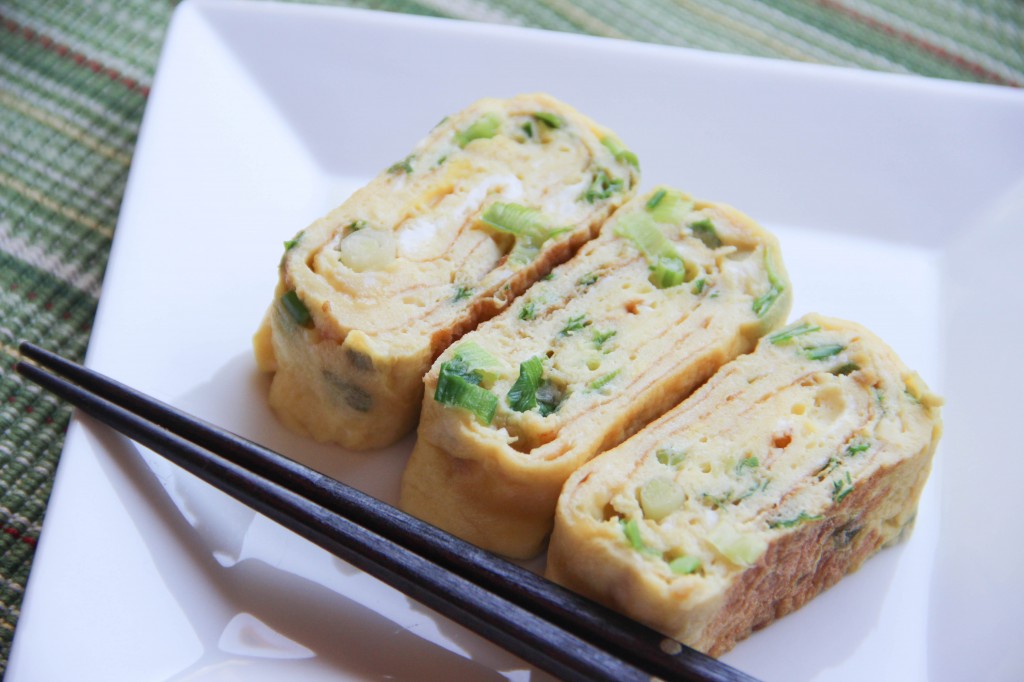
Tamagoyaki is a classic Japanese rolled omelet and one of the most popular ways to enjoy eggs in Japan. You’ll find it on breakfast tables, neatly packed into bento lunches, and even layered over sushi rice at sushi restaurants. It’s simple, comforting, and loved by all ages—no wonder it shows up everywhere.
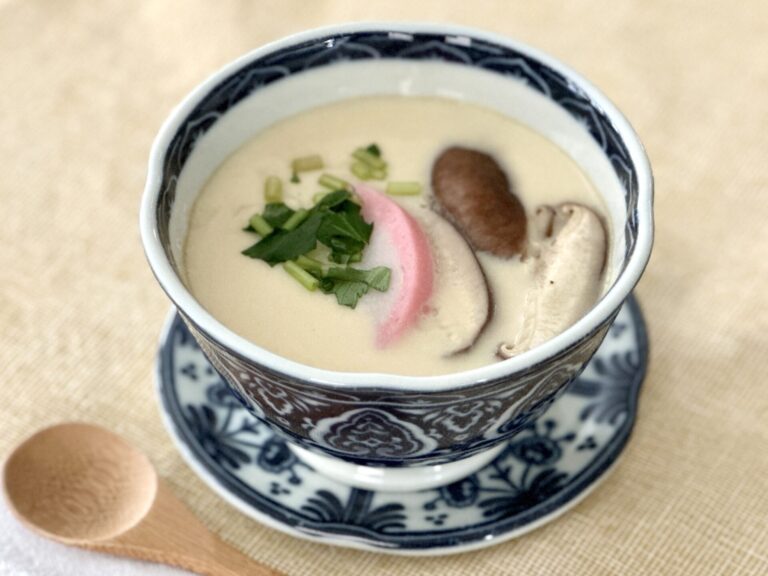
Chawanmushi (茶碗蒸し) is a classic Japanese hot appetizer. It’s a savory egg custard, not sweet at all. You’ll often find it at sushi restaurants or more traditional Japanese restaurants in Japan. Chawanmushi is easier to make than you might think, and when done right, it is silky smooth, delicately flavored, and wonderfully comforting when served hot.
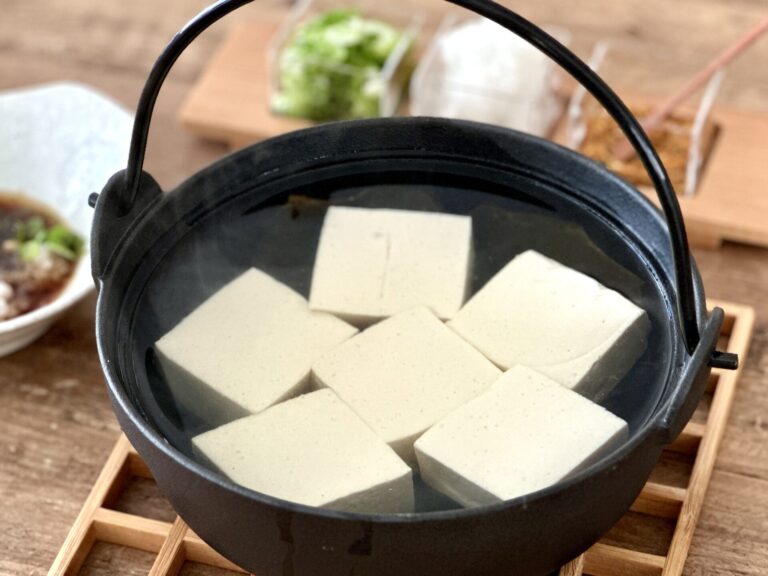
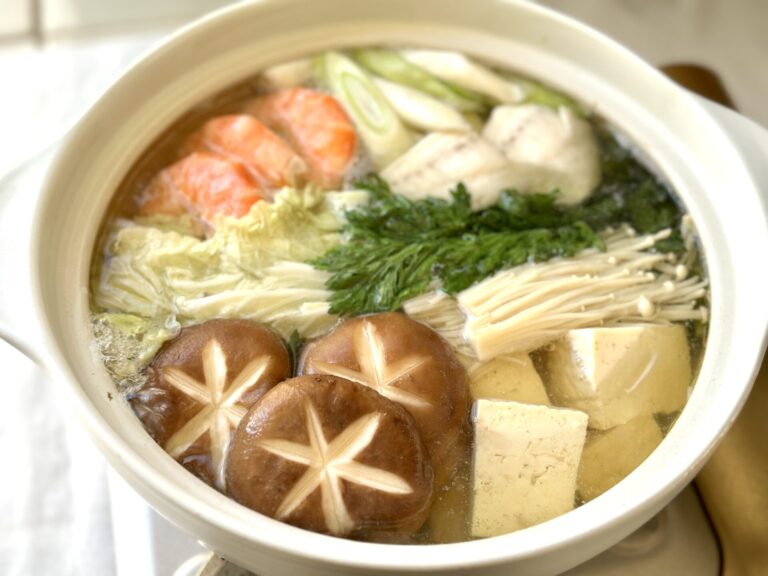
Mizutaki (水炊き) is a traditional Japanese hot pot dish (known as nabemono, or simply nabe) in which fish or other meats and a variety of vegetables are gently cooked in a lightly flavored—or often unseasoned—broth. The cooked ingredients are then dipped in tangy ponzu sauce just before eating. Mizutaki is typically prepared in a ceramic pot called a donabe, right at the dining table over a portable gas stove. Part of the enjoyment comes from cooking and eating together as the meal progresses. While it may seem somewhat similar to sukiyaki, mizutaki is lighter and more delicate in flavor—making it an especially comforting and perfect dish for cold weather.