
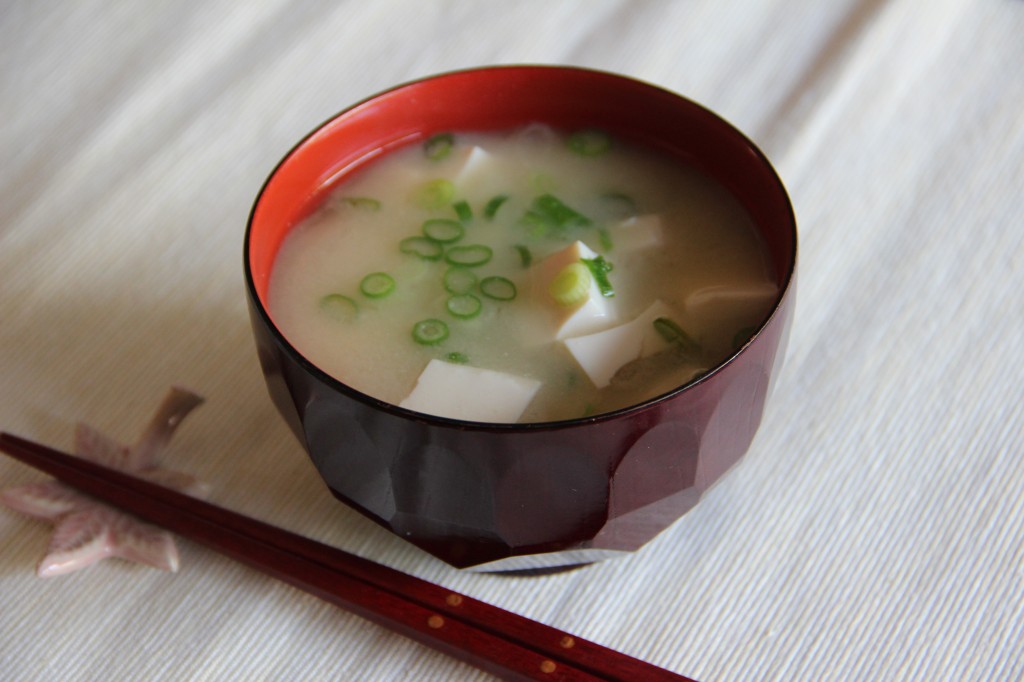
Miso Soup (味噌汁) is, as many of you may already know, a comforting soup made with miso paste and typically includes tofu and vegetables. It’s an essential part of Japanese cuisine and is served with almost every traditional meal. You’ve probably had miso soup before—even if you didn’t order it—since it often comes alongside dishes like Chicken Teriyaki at Japanese restaurants. The good news is that miso soup is very easy to make at home. If you have a few basic Japanese pantry staples, you can enjoy this classic soup anytime, not just at a restaurant.
What’s Miso Soup?
Miso Soup is soul food for Japanese people, and it’s something they enjoy any time of day. Miso is a fermented paste made from soybeans and rice koji, packed with umami, and considered one of the most essential ingredients in Japanese cuisine. It’s also known for being incredibly healthy and nutritious, used in countless Japanese dishes. Miso paste is now easy to find at many local markets and online stores in the U.S. If you’re feeling adventurous, you can even make your own miso paste at home—but be prepared, as it takes about a year to mature and develop its deep flavor. (We have a recipe for that too!)
Types of Miso
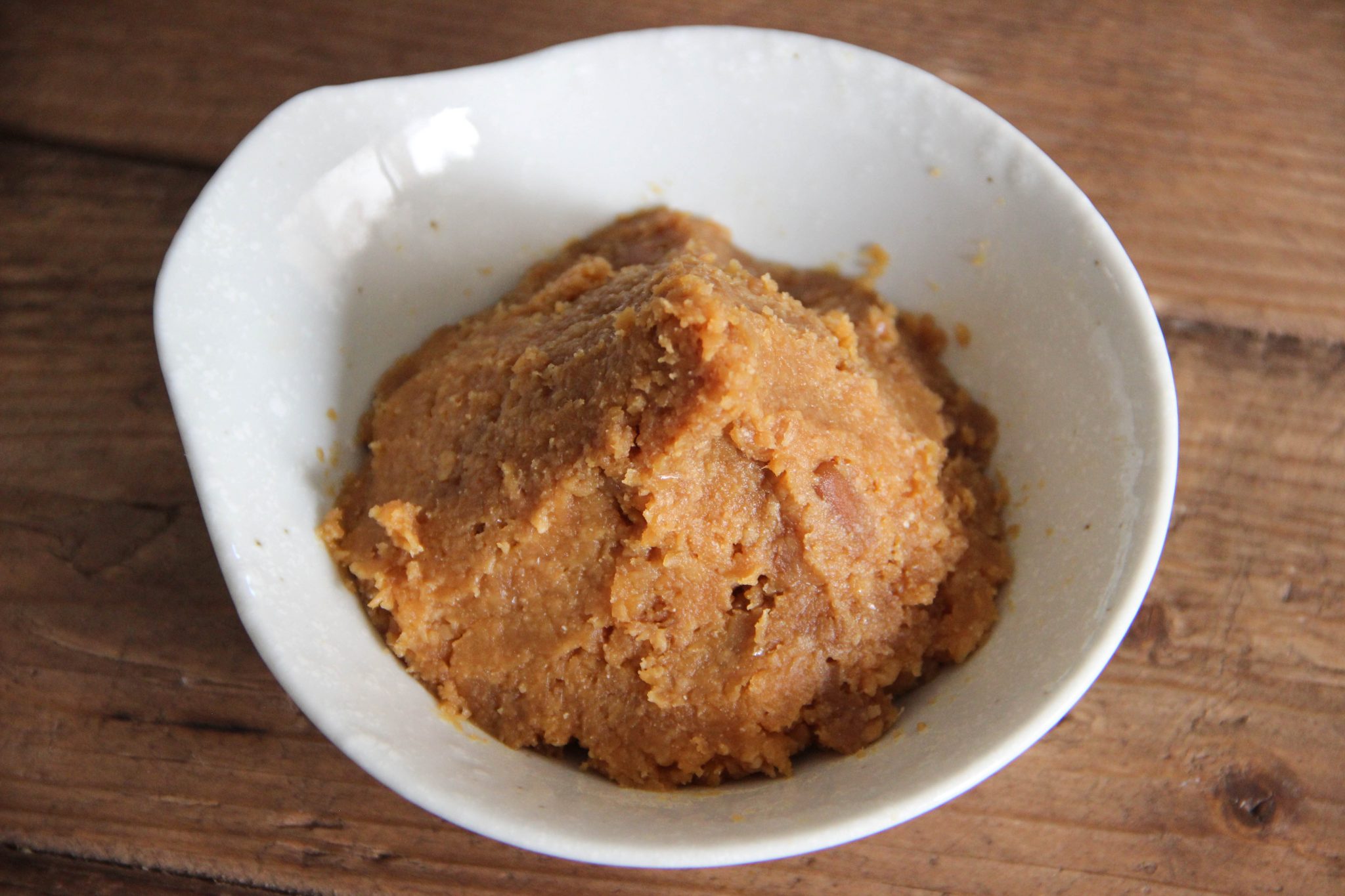
Miso paste is the main seasoning for miso soup, so choose it carefully. There are generally three types of miso: red, white, and mixed.
- Red miso has a strong, distinctive flavor, somewhat similar to soy sauce. It makes a rich soup called Akadashi, which has a pungent aroma and a bold taste that’s quite different from the lighter miso soups served at most Japanese restaurants. Sushi restaurants often serve Akadashi made with fish bone or shellfish broth, using ingredients they already have on hand.
- White miso, on the other hand, is the sweetest and least salty type. It’s used in Kyoto’s famous Ozoni soup from Kyoto—a thick, creamy miso soup with a uniquely sweet flavor.
- Awase, falls between red and white and is the most versatile type for everyday cooking. If you’ve never used miso paste before, we recommend starting with Awase miso. It has the familiar flavor of restaurant-style miso soup and pairs well with almost any vegetable or protein.
The Importance of Dashi
To make a good miso soup, you also need a good Dashi broth. Dashi with Katsuo bonito flakes (bonito flakes) is excellent, as is Ichiban Dashi, which combines bonito flakes and kombu (kelp). If you’re feeling experimental, try Iriko Dashi made from dried baby anchovies—it gives the soup a deep, wholesome flavor without being overly fishy. Or you can also use more convenient instant Dashi granules or packets. (Check out our Dashi recommendations on Amazon.com #CommissionsEarned.)

Making Simple and Delicious Miso Soup at Home
For this recipe, we kept the ingredients simple: tofu and green onions. This classic combination pairs perfectly with almost any main or side dish. You can, of course, add wakame seaweed, or make the soup heartier with potatoes, onions, or even meat. Many Japanese people enjoy a bowl of rice and miso soup as a complete meal, especially when the soup is made with plenty of vegetables and protein—it becomes not just a side, but the star of the meal.
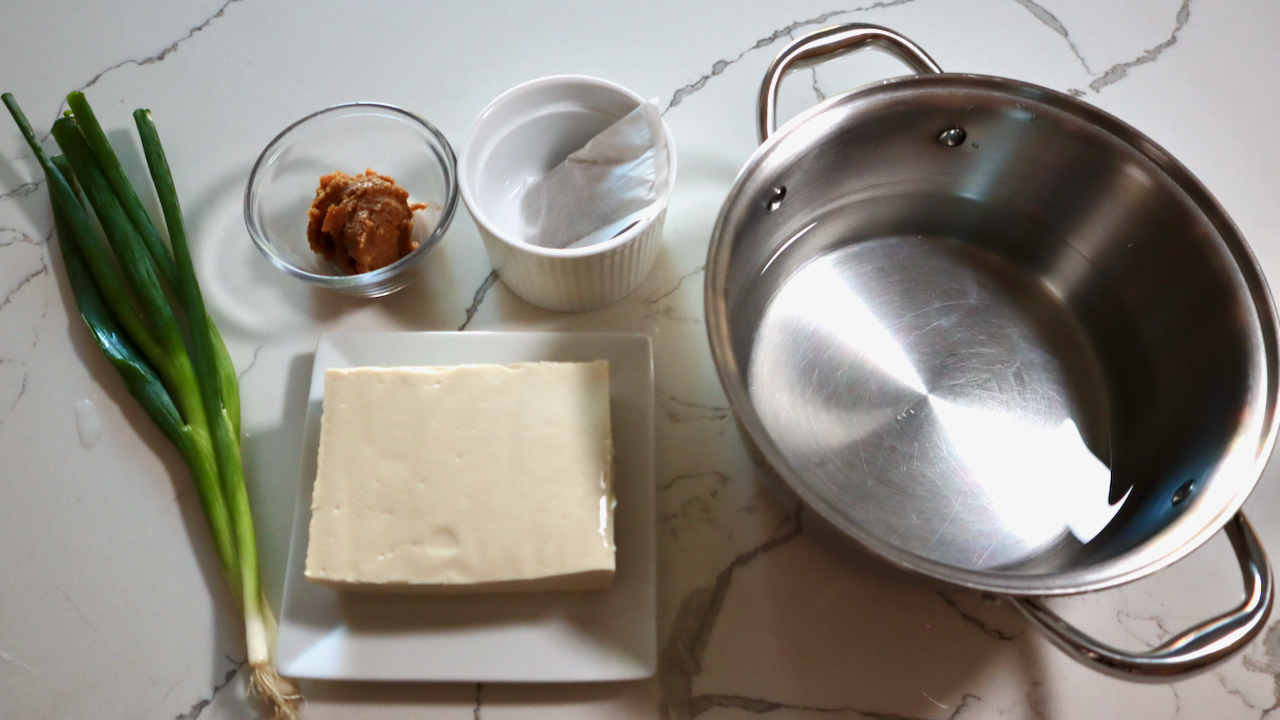
Miso soup is very easy to make once you have the key ingredients: miso paste, bonito flakes or kombu for dashi, and tofu. If you don’t yet have these Japanese pantry staples, it might take a little preparation—but once they’re in your kitchen, making miso soup is as easy as boiling water. If you love the miso soup served at Japanese restaurants, you’ll enjoy homemade miso soup even more.
Tips and substitutions for Miso Soup
Miso soup is all about flexibility and creativity. Once you understand the basics—having the right ingredients, finding your favorite type of miso, and choosing a broth you like—you can use almost any combination of ingredients. There’s no need to stop at just tofu and wakame seaweed!
- Options of vegetables – Use seasonal vegetables to enjoy the flavors of all four seasons. In spring, try cabbage, onions, and asparagus. In summer, add varieties of squash. In fall, enjoy mushrooms such as shimeji, enoki, and shiitake. And in winter, root vegetables like daikon radish and carrots make the soup warm and comforting.
- Protein options – Different proteins bring different layers of umami. Sliced pork belly adds a sweet, rich flavor, while chicken meatballs make the soup hearty enough to serve as a main dish. Seafood also pairs wonderfully with miso—try shellfish like clams or shrimp, or white fish such as cod.
- Using leftovers – You can also use up leftover vegetables from your fridge or freezer. Just slice them into small pieces, add them to the pot, and you’ll have a delicious, nutritious vegetable miso soup that’s perfect for any meal.
More Miso Soup Recipes
- Miso Soup with Asparagus, Onion and Ham
- Miso Soup with Carrot and Egg
- Miso Soup with Soy Milk
- Miso Soup with Salmon and Daikon
- 12 Best Miso Soup Recipes That Are Easy To Make
This video and article is newly updated from March 2012.
Video
Ingredients
- 4 cups Dashi
- 1 package tofu
- 4-5 Tbsp miso paste
- 2 green onions (chopped fine)
Instructions
- Boil Dashi. (You can follow our Dashi recipe or use a Dashi packet.) Slice green onions very thinly. Cut tofu into 1/2" cubes and add to Dashi.
- Reduce heat to low and dissolve miso paste in the Dashi. Take care not to boil.
- Add green onions and remove from heat.
Notes
- Would you like to make your Miso Soup into an instant meal? Drop an egg in the Miso Soup and cook for 2 minutes. Put some steamed rice in a large bowl, and pour Miso Soup with egg over the rice. That’s the easiest and tastiest lunch ever!
- Check out more Miso Soup recipes: 12 Best Miso Soup Recipes That Are Easy To Make


41 Comments
This is better than almost all the restaraunts I have been to and we are about to try the miso marinated chicken,
Kit,
home cooking is the best! Hope you would like our miso marinated chicken recipe!
Thank you for the guide my family loves the miso soup I made
Ysa,
you’re welcome!
I just found your site. I made miso soup and teriyaki salmon. So easy and delicious. Thank you!
Marsha,
you’re welcome!
I just made this soup with your homemade dashi recipe and it was amazing! Thanks for posting all these homemade Japanese recipes. Home-cooking is the best! xoxo 🙂
Christina,
thanks for using our Miso Soup recipe! Come back for more!
I just happen to stumble upon your website! I absolutely love it!
I was just wondering, how well does Miso Soup keep in the refrigerator as leftovers? Does it reheat okay?
Hannah,
yes, you can refrigerate for a couple of days.
Do I use yellow, white or red miso paste?
Patricia,
any you like, but I recommend to start Awase Miso (something between white and red).
could I use vegetable broth instead of fish broth
carmelina,
you can use Kombu dried kelp for broth. We have Ichiban Dashi recipe using Kombu. Just take Katsuobushi out.
What about the seaweed that is found in some?
Paula,
you can use Wakame seaweed for Miso Soup too of course.
Great recipe! One question though: why should I be careful to not boil the soup once the miso paste has been put? Is there any particular reason? Thank you!
Renelle,
because the aroma of miso goes away by boiling.
I love this taste! Thank you very much for this amazing recipe. How long can I keep miso soup in refrigerator?
Konrad,
a day or two.
Wow! I love this recipe! Thank you!
Serge,
glad you liked our Miso Soup recipe! Come back for other recipes too!
Love this site! I’ve been trying different recipes all summer… they are all fantastic! I am a vegan, so I do have to occasionally make adjustments, but I am far from complaining… they measurements are always precise, exact and easy to substitute! Oh and It definitely helps Japanese cuisine is very veggie and earth friendly by nature 🙂 ….. Arigato!
Breanna,
glad our recipes work for you! Wish I could be a vegan, but love meat too much 🙂
Noriko-san,
Dont worry about being a vegan, I only really do it for my specific health. If your body tolerates it, meat and animal products are good for you! Plus, you are an exceptionally good cook, I bet all of your meals , with and without meat, are fantastic, and I wouldn’t want you to be limited to excercise just some of your talent!
Much respect!
Breanna,
wow, thanks! And thanks for giving us tips about how to eat Japanese food as vegans. That’s not something I know much about.
Is there a vegan alternative to dashi that will produce that same wonderful flavor of miso soup? If not, I am going to bend my vegan lifestyle. Thank you.
Mary,
you can use dried Kombu kelp for making Japanese broth. Ichiban Dashi minus dried bonito flakes will work, so come to our sites!
Mary,
Whoa dont do anything crazy 😉 !
Yes, I find the plain kombu dashi to be very flavorful! I tried to make my own with no success (I’ll keep trying 🙂 ), but then found instant kombu dashi granules at my local Japanese market. There was also a bottle of kombu dashi stock avalible, but my over-cautious self read the Ingredients and found it still contained fish.
Unfortunately, I was not aware of the wonders of Japanese food before I was a vegan, and cannot tell you how regular and kombu dashi compare, but I can tell you that every recipe I have substitited kombu dashi into has come out amazing…. I was just gifted a huge amount of the Asian variety of persimmions and cannot wait to use my kombu dashi granules to make shira-ae again 😀
Good luck!
Oh and feel free to reply back here if you have any more vegan questions… I have quite a bit of experience.
Mary,
I forgot to mention to be sure to use umami rich foods in your substitution adventures. We tend to be limited as vegans, so it is imperative to emphasize the few oppertunities to add umami that we get. In the case of miso soup, dont be afraid to add a little more miso, and use fresh shiitake mushrooms. And a little tofu and shoyu never hurt anyone 😉
Miso is an all time favorite. The one I like most has mushrooms and green leafs…. Do you know what those could be? I’m excited to try!!
Amy,
is it stir-fried dish? I don’t know exactly…
If you like Miso so much, we have recipes like Miso Grilled Salmon or Chicken, different kinds of Miso Soup, and even Miso Cookies on our web site. Check them out!
I made this a few days ago, and I have heard some people telling me that it’s better if you add the miso before the tofu (I like it just fine the way I made it). What are your thoughts on that? Will it affect the soup at all? Thanks 🙂
Marshall,
that may be the “proper way” 🙂 But you don’t have to worry too much about it. I’m more worried if it’s cooked too long (or boiling).
This was really good. I’ve been making miso with white miso paste and different kind of broths such as vegy, mushroom, chicken and beef. I kept on adding more miso trying to get the right flavor, but it’s obvious what was missing was the dashi. Today I made it with red miso and added some mushrooms I needed to get rid of. It was a bit strong, so I just added some more water. Next time I will do 4 tbs of red paste instead of 5.
A word of caution when making dashi: Pulling the fluffy bonito flakes out of a bag is like pulling stuffing out of a pillow. Do it slowly or you’ll end up with it everywhere. Turns out it pretty much disintegrates and becomes part of your sock if you step on it.
Ms.Jody,
glad you liked our Miso Soup recipe! Thanks for the tip about bonito flakes, which will help a lot of people!
Hi Noriko,
At my local Japanese market there are many varieties of miso paste and most of them have strictly Japanese language labels. It is easy to see the difference between red and white miso, but it seems like some of them have Dashi broth already mixed into the paste. There are many with a little fish on the label. Is this our hint that we don’t need to make the Dashi first and we can just follow this recipe with plain water?
Julian,
some Miso paste has Dashi already in it for the convenience and no need to use Dashi. I personally think making miso soup from pure Miso paste and Dashi is the best.
Noriko & Yuko,
Hi! Just want to say I love your website and videos! I happened to come across your site while I was looking for recipes to recommend for work and now I spend a lot of time on this site. I am a Japanese cooking newbie and don’t know a lot about Japanese cooking ingredients. You will probably find me asking a lot of questions in the near future lol. For this recipe do you recommend soft, medium or firm tofu?
Thanks! Any types of Tofu will do for Miso, but we like soft kind 🙂
Hi, i made this last night served your beef steak recipe and my whole family love it.
Thank you for the great recipe.